
Gross Motor
Development

Helping Your Baby
Move, Grow, and Thrive
Every roll, crawl, and first step is a moment worth celebrating. Our physical therapists are here to make sure your baby has the support they need to reach each milestone.

Purposeful Play Approach
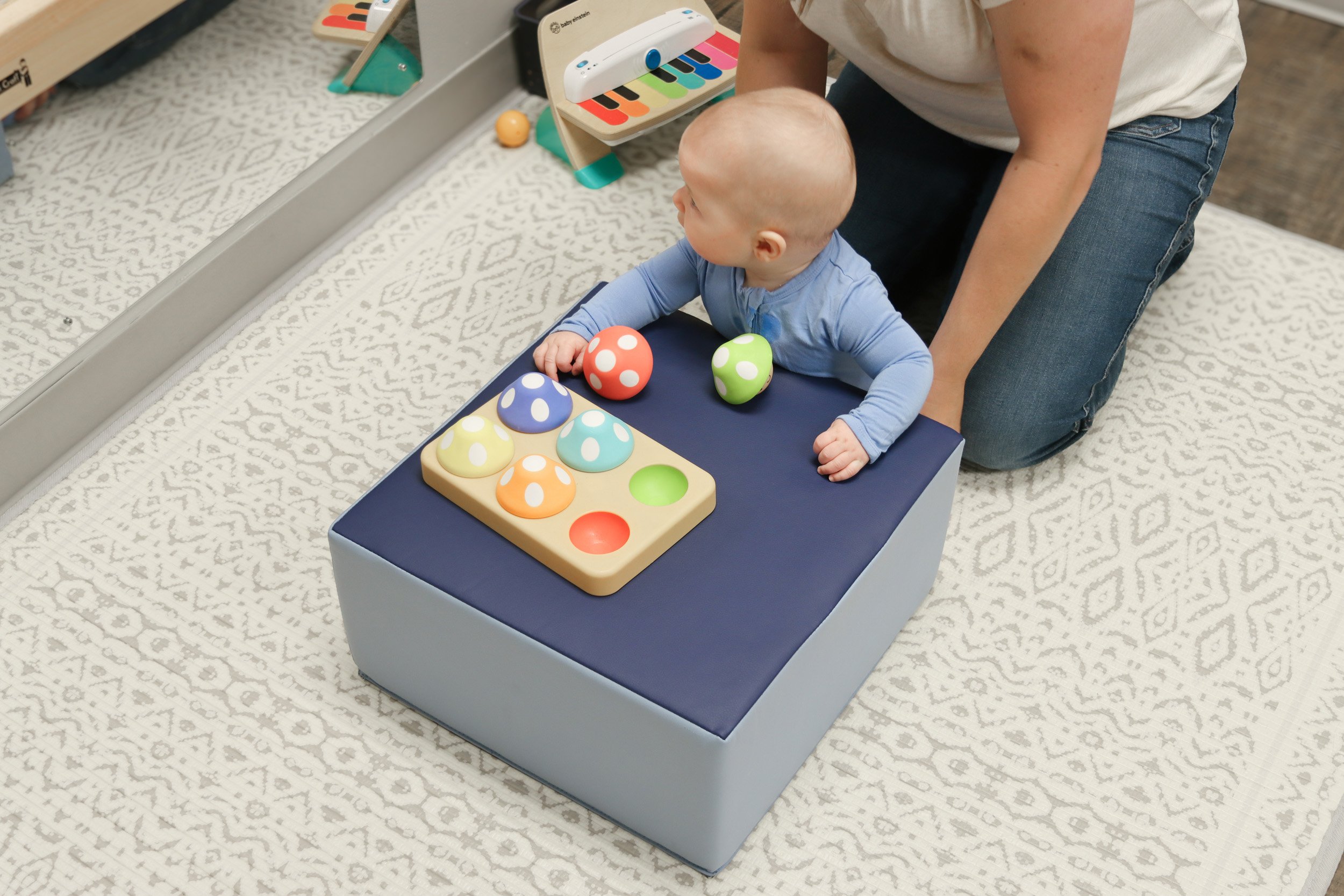
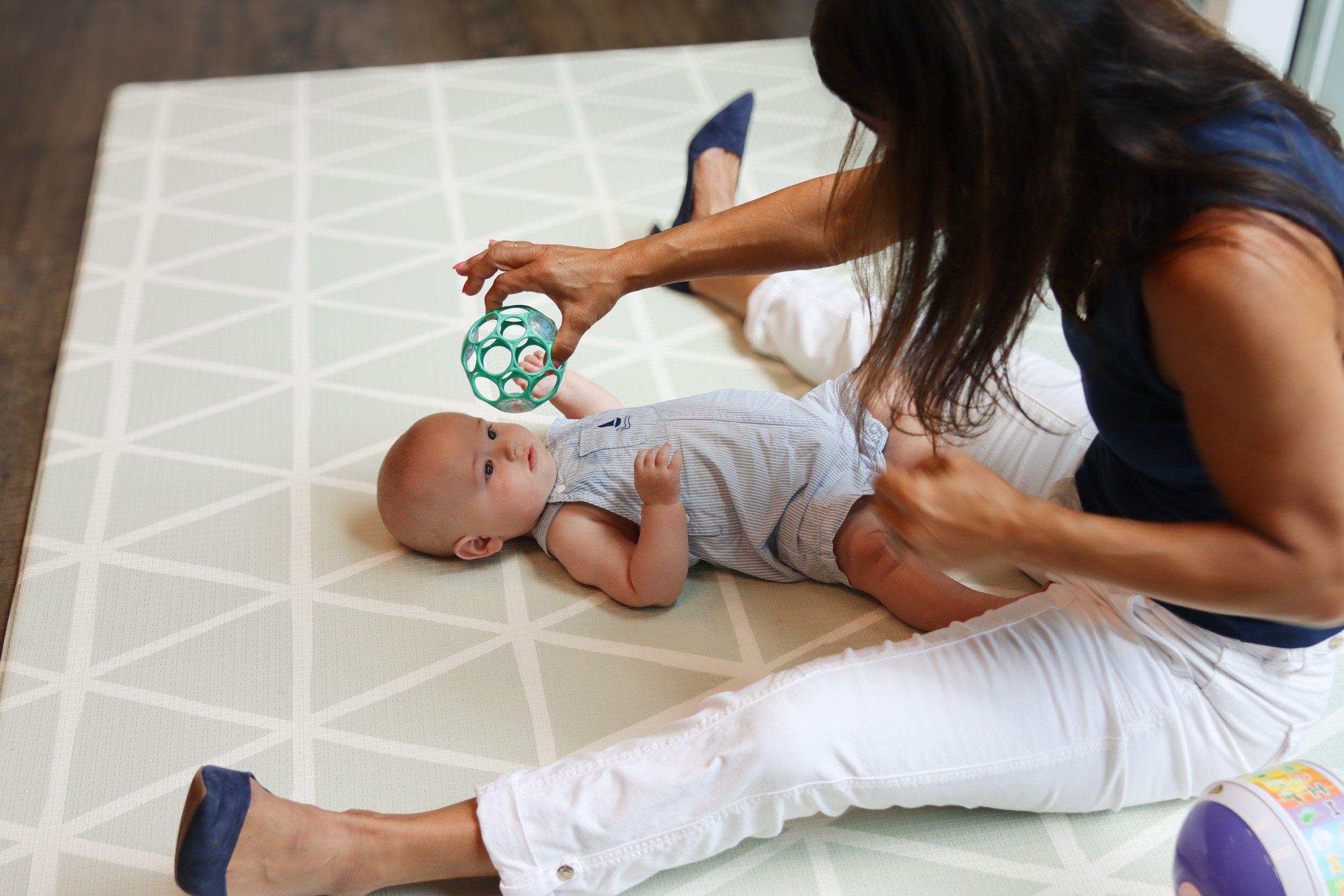
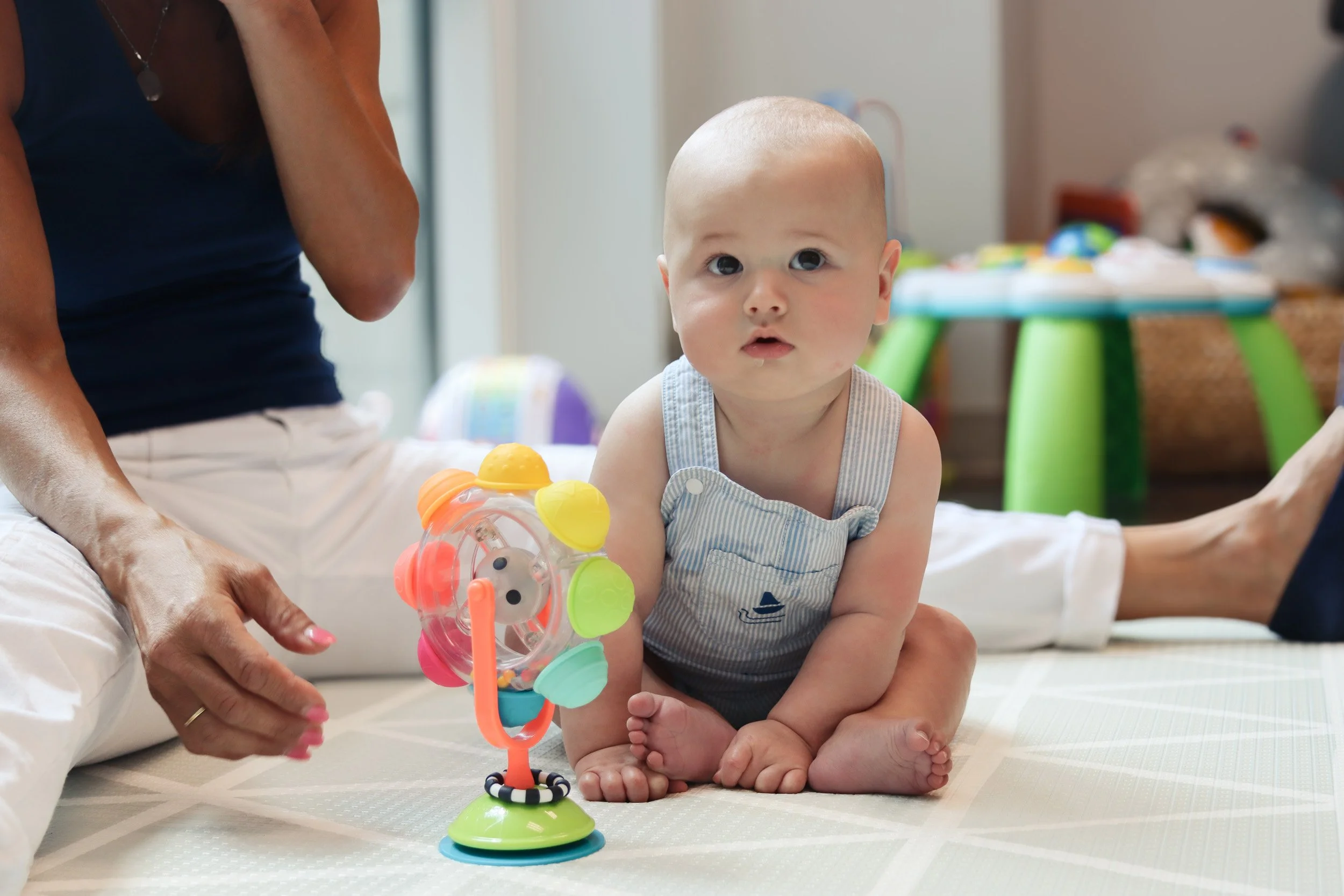
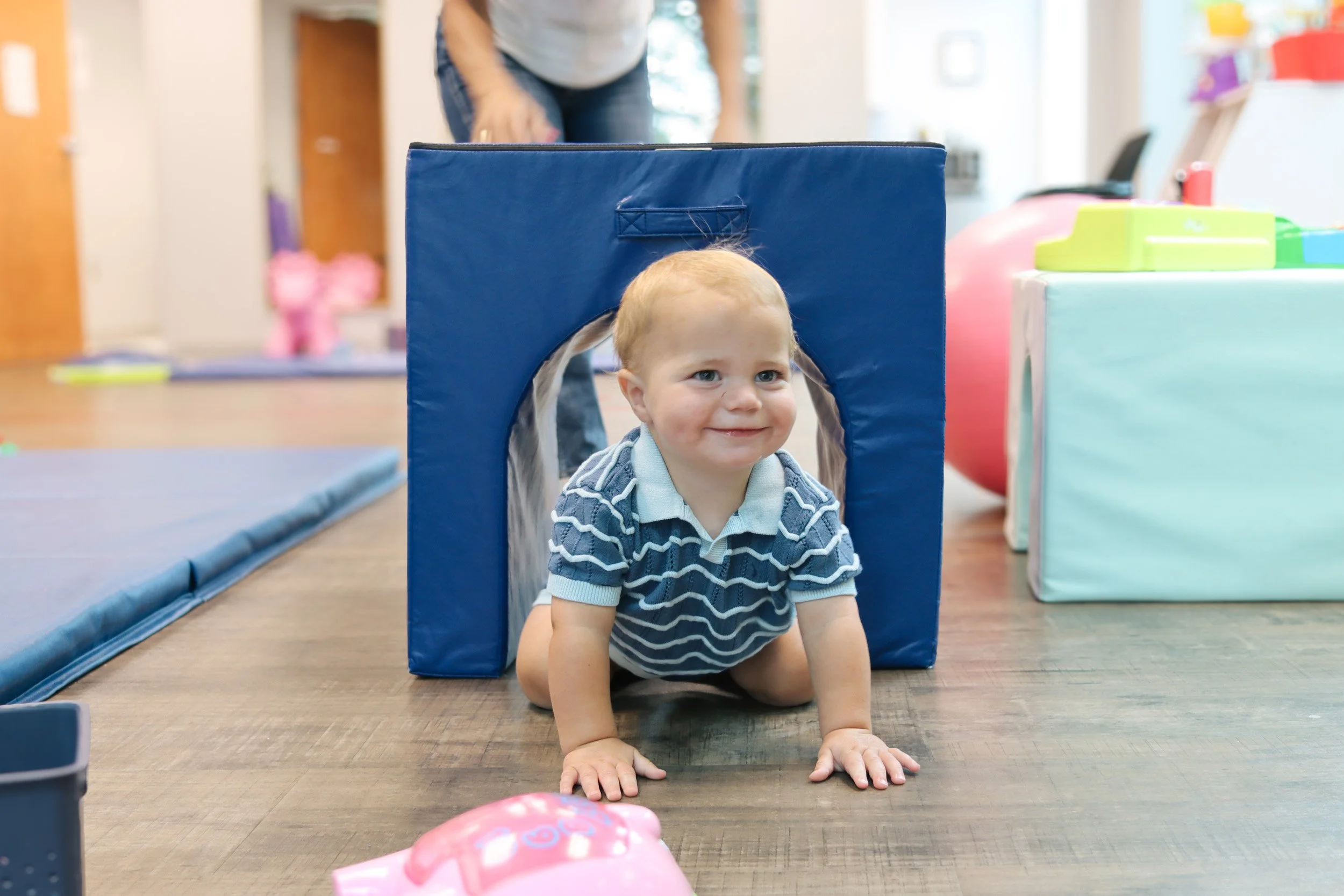
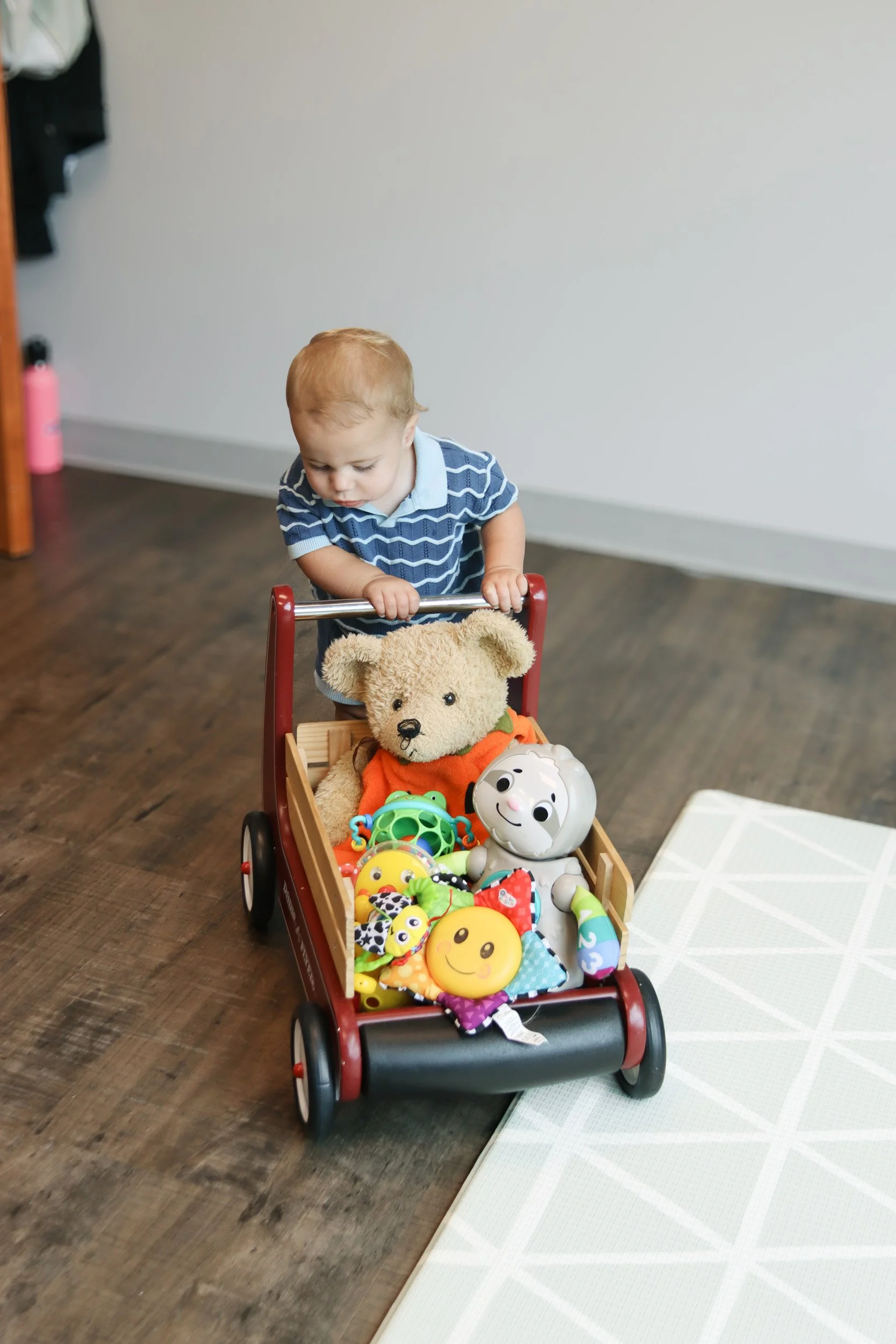
We meet babies where they are, which usually means on the floor, following their lead. Our therapy is built around play, so sessions feel natural and engaging for your little one while doing important developmental work.
Collaborative Care For Your Journey Ahead
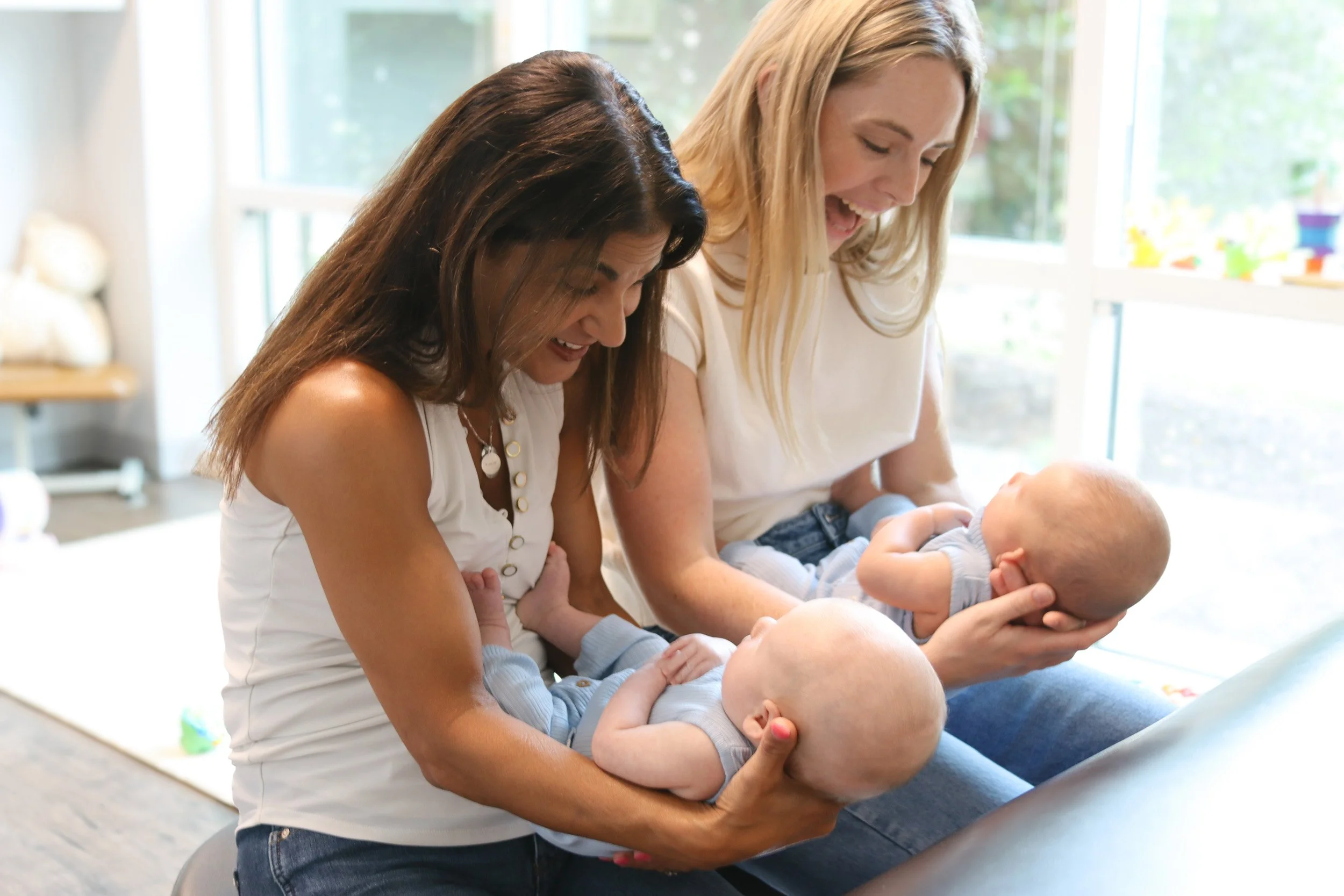
Our tight-knit group of therapists bring multiple techniques and perspectives to your baby's care, and we see you as an essential part of the process too. Everything we work on in the clinic, we'll teach you to carry into your everyday routines at home.
Evidence-Based Techniques
Your baby gets a personalized treatment plan using specialized, research-backed techniques like Neuro Developmental Treatment (NDT), motor learning principles, and Total Motion Release (TMR) for Tots. We also have therapists trained in bodywork techniques like infant massage and the Vaughn Approach, which incorporates myofascial and Craniosacral Therapy (CST). We adapt our approach based on how your baby responds, because no two children are exactly alike.
Consistent Support – You’re Not Alone
Your baby just rolled for the first time? Text us! We genuinely want to hear how things are going between appointments, and we have a number specifically for that purpose. It is our joy to celebrate every milestone with you.
Located in Franklin, Serving Families Throughout Middle Tennessee
About Us
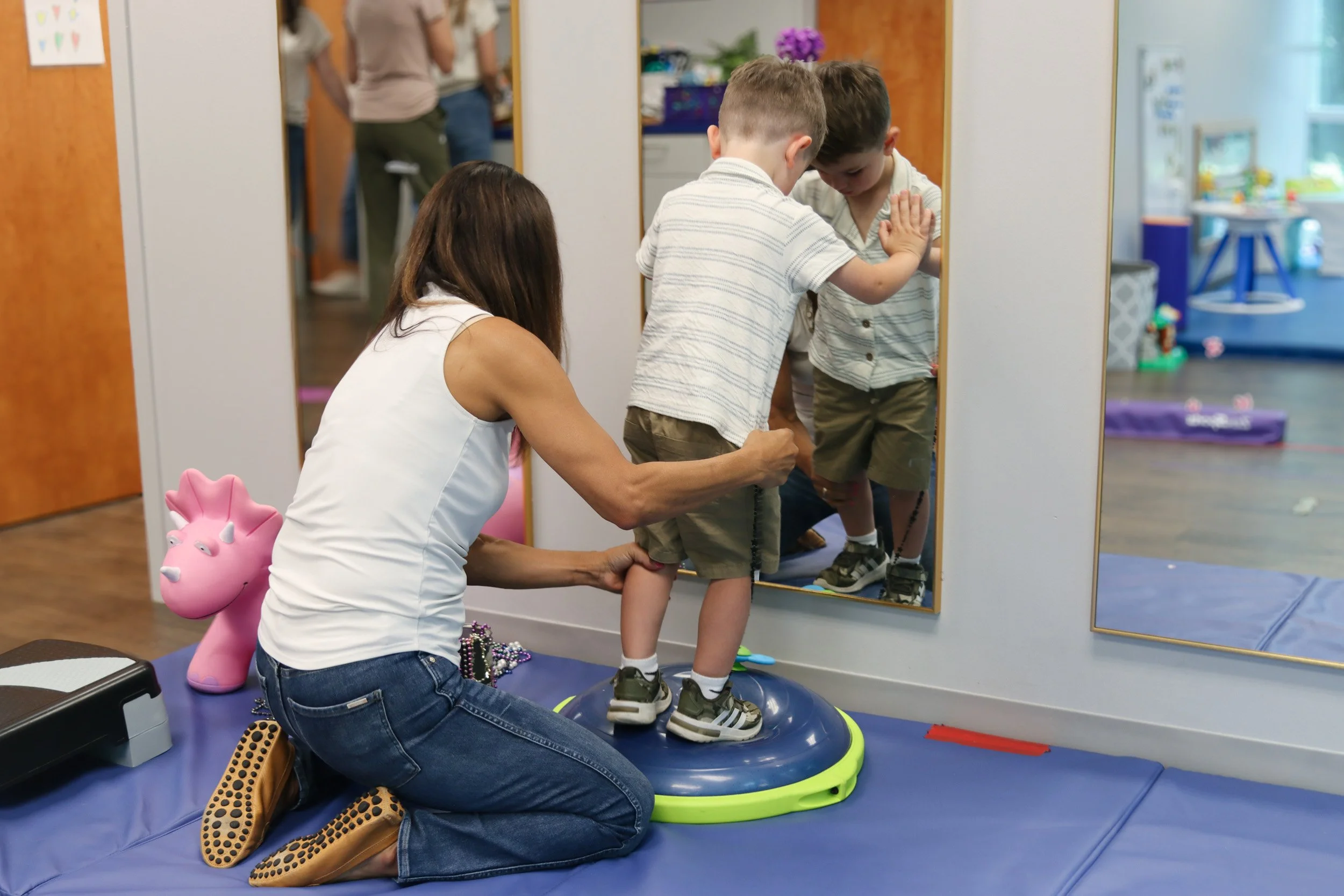
Since 2014, Looking Ahead Pediatric Therapies has partnered with parents to help infants and toddlers thrive through early intervention and expert care. With torticollis and plagiocephaly care at the heart of what we do, we've grown into a team that also supports little ones with motor development, speech therapy, and feeding.
Resources To Keep
You Moving Forward

We want you to feel supported and empowered every step of the way.
That's why we've put together a collection of easy-to-access resources to make it easy to find what you need—everything from downloadable forms to toy recommendations from our team. Consider it your go-to hub for everything Looking Ahead.
Noticing your baby favors one side or has a flat spot? We're here to help.
Gross Motor Development
Frequently Asked Questions
-
Gross motor development refers to the big movements your baby makes using their arms, legs, and core like rolling, sitting, crawling, and eventually walking. These skills build on each other, so having a strong foundation early on sets your baby up for all the milestones ahead.
-
If your baby seems to be missing milestones, is consistently favoring one side of their body, or just isn't moving the way you'd expect, an evaluation can give you real answers.
You don't have to spend time wondering or searching the internet; we can tell you exactly where your baby stands developmentally and what, if anything, needs to happen next. With over 5 decades of specialization in pediatric physical therapy between our therapists, that clarity is something we're really good at providing.
-
Every baby develops at their own pace, but generally speaking, most babies like tummy time by 4-5 months, begin rolling around 4-6 months, sitting independently around 6-8 months, crawling around 8-10 months, and walking around 12-14 months. If your baby isn't hitting these windows, physical therapy can help identify the why and get things moving in the right direction.
-
Every session is tailored to your baby, but here's what they all have in common: we're building motor skills like building blocks—one skill at a time, in the right order.
Your physical therapist uses a variety of techniques based on what your baby needs and how they respond. Some babies do best with traditional stretching and strengthening exercises. Others benefit from specialized approaches like Total Motion Release (TMR) for Tots or other bodywork techniques such as the Vaughn Approach, which incorporates myofascial release and Craniosacral Therapy (CST), or infant massage. We specialize in knowing which technique will work best for your child at each stage of their development.
Throughout the journey, we use research-backed, standardized testing to assess where your child is developmentally and track their results as they continue to make progress.
Here's what makes physical therapy different: through purposeful play and repetition using motor learning principles, we help your baby build the muscle strength and endurance they need to master developmental skills. A simple movement like reaching sets the foundation for something more complex like rolling. That's gross motor development in action.
This comprehensive, holistic approach to your baby’s development is why physical therapy gets results that stretching alone, chiropractic care, or CST can't achieve. Our work addresses both flexibility and strength—the whole picture—so your baby can continue to grow and thrive.
-
Yes; torticollis and gross motor skill development are actually pretty connected—in fact, research shows that there is a direct correlation between torticollis and plagiocephaly and delayed motor skills. Tightness or weakness in the neck from torticollis can directly affect early milestones like rolling, crawling, and sitting, because so much of how babies move starts with the head and neck.
That's why at Looking Ahead, we see torticollis treatment and gross motor development in a connected way. Building neck strength, improving range of motion, and helping your baby move more freely are all part of the same work. Whether your baby comes to us for torticollis, gross motor delays, or both, we're always looking at the whole picture, from the very first visit.
-
There’s no one answer for this question. It really depends on your baby and what skills we're working on together. After your initial evaluation, your therapist will give you a realistic timeline and keep you updated as your baby progresses. Some families see significant improvement in a matter of weeks; others work with us over several months. Either way, we’re with you every step along the way.
-
There is a lot that you can do to support your baby’s development at home. Tummy time is one of the most important things you can do early on, and there are simple, playful ways to encourage movement throughout your baby's day. We know most babies find tummy time hard at first, but with frequent practice, babies build strength to master this pivotal developmental skill.
Everything we do in our sessions is designed to carry over into your daily routine. After each visit, you'll get a link to online homework with specific exercises and techniques you can do at home to continue to support your baby’s progress.
-
This is a common question, and we understand why. No parent wants to see their baby upset. The truth is, physical therapy asks babies to do hard things. Working through tightness or building new strength can be uncomfortable, and babies may fuss, especially in those first few sessions. But our therapists are experts at working with infants through these moments.
Our physical therapists are specifically trained on reading your baby's cues, knowing when to modify an approach, and making the work as gentle as possible while still being effective.
You will be right there with your baby the entire time, which means we'll walk you through what we're doing and why. As your baby gains strength and flexibility, the work gets easier for them, and most little ones start tolerating sessions much better.
All of our work is intentional, and over time, physical therapy helps your baby become more comfortable in their body. As their muscles get stronger, their range of motion improves,and they build trust with us, you'll start to notice a real difference in how at ease they feel.
-
No! You can reach out to us directly.
Tennessee is a direct access state, which means you do not need a referral for physical therapy. We'll walk you through everything you need to get started and let you know if there are any additional steps specific to your situation.
-
Yes, in most cases physical therapy for infants and young children is covered by insurance.
We are in-network with many insurance providers like Blue Cross Blue Shield (BCBS), United/UMR, Aetna, and Cigna, as well as some Humana and TRICARE plans. If you're covered by a different plan, we can provide a superbill for you to submit to your insurance for potential reimbursement. We are not in network with TennCare or TEIS.
We also accept self-pay.
We intentionally keep our insurance network small because it means fewer restrictions, more time with each patient, and more flexibility to provide focused and personalized care.
It’s important to us that there are no surprises in the cost of your therapy visits, so we will work with you and your insurance to make sure you know exactly what to expect.
-
Payment rates vary depending on the specifics of your insurance plan. Please call our office and we will be happy to work with your family to find out exactly what your insurance covers so you know what to expect.
You have the right to receive a “Good Faith Estimate” explaining how much your medical care will cost.
Under the No Surprises Act, healthcare providers are required to provide you with an explanation of how much your medical care will cost.
Looking Ahead Pediatric Therapies provides all patients (self-pay and insured) with a written copy of an estimate of expected charges for medical services by the time services are provided. This estimate, known as the Verfication of Benefits letter, is based solely on the information provided by the primary caregiver and the insurance provider at the time of the request to Looking Ahead P.T. For questions or to request a Good Faith Estimate, please contact Looking Ahead Pediatric Therapies at 615-784-8104 or info@lookingaheadpt.com.
For more information about your right to a Good Faith Estimate, visit www.cms.gov/nosurprises
-
Because this is what we do, and we love doing it. Since 2014, we've specialized in helping babies in the greater Nashville area build the strength and skills they need to grow and thrive. Our team is collaborative, our approach is evidence-based, and we treat every family like they're part of ours. When your baby takes that first independent step, we'll be cheering just as loudly as you are.